


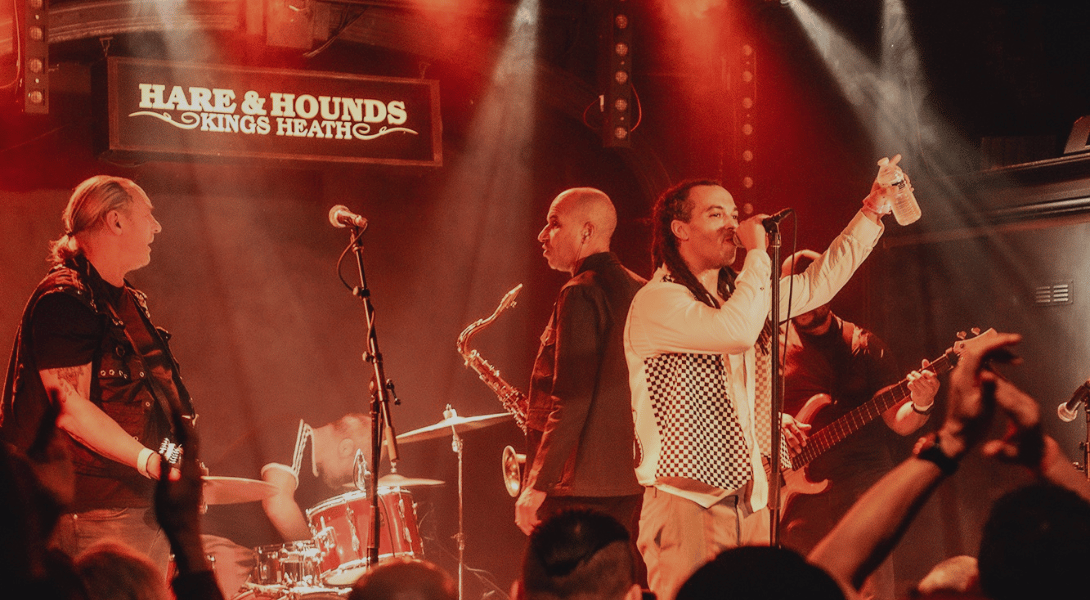
Photo: The Hare & Hounds, Birmingham © Sam Wood
Grassroots music venues are the backbone of the UK’s live music scene. They’re where artists gain confidence, build audiences, and take their first real steps into the industry. But according to the Music Venue Trust’s (MVT) annual report, published last week, those spaces are under more pressure than ever.
More than half of UK grassroots venues (53%) failed to make a profit in 2025, and 30 venues closed their doors altogether. Nearly 6,000 jobs were lost, representing almost 20% of the sector’s workforce.
The report paints a clear picture of how tight things are at grassroots level:
However, at the same time, audience demand is still there. Grassroots gig attendance rose by 13%, with 21 million people attending shows in 2025. Ticket prices stayed largely flat, rising by just 8p year-on-year.
People still want to go to gigs, but with rising costs, the cost-of-living crisis, and competition from expensive arena tours, survival is harder for small venues.
There are some signs of progress. The rate of venue decline slowed to 1.2% in 2025, the lowest level since 2018, and support for Music Venue Trust’s proposed £1 ticket levy continues to grow. More major artists and venues are now backing the scheme, which would see a £1 contribution added to arena and stadium tickets, with funds redistributed to grassroots venues.
The O2 in London has committed to donating to Music Venue Trust every time a new artist headlines the venue, setting a clear precedent for other large-scale venues to follow.
Music Venue Trust CEO Mark Davyd summed it up simply:
“This is a hugely significant and welcome move from The O2. The success of our arenas is directly connected to the health of the grassroots venues where so many of those headliners began their journey. This partnership sets a powerful new benchmark for the industry, proving that major venues can actively participate in securing the future of the talent pipeline.”
Artists are also stepping up. Harry Styles announced this week that £1 from every ticket sold on his upcoming world tour will be donated to the LIVE Trust, a fund dedicated to protecting, expanding and supporting grassroots music venues across the UK.
If adopted widely across the industry, the levy could raise up to £25 million a year, offering a route towards stabilising a sector that has spent years operating on the edge.
At Tickets for Good, we work to remove cost as a barrier to live music, especially at grassroots level, where every ticket sold counts.
For the past two years, we’ve run grassroots venue campaigns, helping venues reach new audiences while offering free and discounted tickets to:
More people in the room means more bar spend, more atmosphere, and more support for venues that rely on every single show breaking even.
.png)
One example of this in action is our work with WaterBear College of Music and Music Venue Trust on the Keeping Music Live tour. The campaign brought £1 gigs to grassroots venues across the UK, with all proceeds going directly to MVT. A portion of tickets were distributed through Tickets for Good, ensuring access while still driving footfall and revenue for venues.
In Sheffield, the tour stopped at Yellow Arch Studios, a venue that has supported artists like Arctic Monkeys and Bring Me The Horizon early in their careers. This kind of collaboration matters. It supports venues financially, gives emerging artists stages to play on, and brings new audiences through the doors.
Grassroots venues aren’t failing because people don’t care. They’re struggling because the economics no longer work without support. If we want a future where live music thrives, not just at arena level, but in local communities, these spaces need protection, funding, and audiences. At Tickets for Good, we continue to keep working with venues, festivals, and partners like MVT and WaterBear to make sure live music stays accessible, and that grassroots venues stay open.